Understanding Heat Stroke and Heat Stress in Dogs: A Critical Guide for Pet Owners

As summer approaches in the Midwest, temperatures can soar, often reaching the high 90s and even the low 100s. While we find solace in air-conditioned spaces, our furry friends face a greater risk. During these hot days, emergency veterinary services experience a noticeable rise in cases of heat stroke and heat stress in dogs. To ensure your pet's safety, it is vital for every dog owner to understand these conditions, their signs, and preventive measures.
Before we get into the nitty gritty of this blog I wanted to share a personal story regarding my own pet - because even though I work in Veterinary Medicine, I'm not perfect and accidents happen.
We have a German Shepherd, Thomas, who has a multitude of medical conditions including Laryngeal Paralysis. He has a permanent tracheostomy - or an open hole on his neck connecting his lungs and trachea to the outside world bypassing his mouth and nose. This condition predisposes Thomas to exercise and heat intolerance because he is not able to pant to cool down as normal dogs do. We moved to Tulsa a year and a half ago and while you'd think we'd be used to summer heat coming from Indiana, the summers in Oklahoma are hotter - think 75 degrees in the dead of night and 100-110 from 10am-dark. We are still learning about Thomas' limits and they can change fast.
A few weeks ago, Thomas was outside in our backyard with our other two dogs around 1pm. We have shade, a covered back porch and trees, multiple water bowls and a sprinkler. It was about 80 degrees, and the dogs were out for a little under an hour - nothing different than any other time we let them out, and they let us know when they're ready to come inside. From inside the door, I could tell something was different about Thomas' breathing - he normally is a bit raspy but this was worse, wet sounding, labored. I let the dogs inside, put them in their room with the fan on and the AC is always running. We got ready for work, drank our coffee as usual, and when I went in to feed the dogs before heading out I noticed multiple piles of foamy vomit on the floor. Thomas was laid flat on the ground, stretched out like he was trying to make as much surface area as possible while breathing extremely hard. We'd had instances of him acting like this before and had chalked it up to being worked up from playing or just doing a bit "too much", but this was much different.
I was heading into work so Thomas loaded up in the trunk, AC blasting, just so I could take his temperature to rule out hyperthermia (don't ask me why I didn't have a designated thermometer at home, that has since been rectified - get it, rectal-fied ;) HA). Call me flabbergasted when we get there and his internal temperature is 107.6 degrees. SOS we've got a heat stroke! I am so lucky and so grateful for the job that I have, and the coworkers that work alongside me because we all jumped straight into action.
IV Catheter- BAM
Cooling towels - BAM
Fans - Bam
Bloodwork - Started
In the course of 10 minutes we had IV fluids running, a cold water enema started, medications drawn up and given, and a full hospitalization plan made for the worst case scenario.
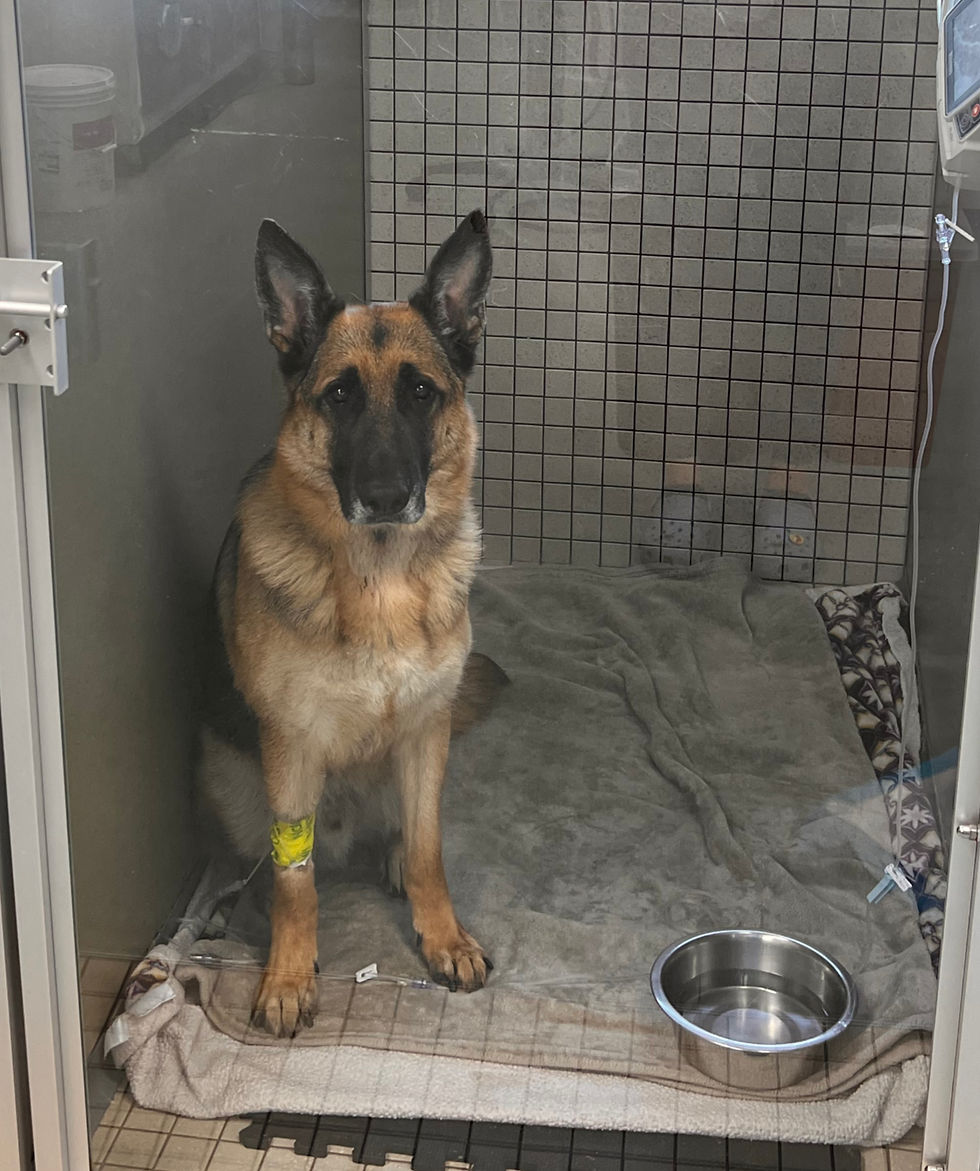
Now, what are we looking for? The first metabolic signs of a heat stroke can be Neurological and Cardiovascular. Bloodwork is crucial to see if we are starting to have organ damage - clotting issues, kidney shut down, muscle destruction. A full blood panel is crucial to diagnosis, not just the outward signs! If Thomas' coagulation times were elevated, he would need a Plasma Transfusion to increase his clotting factors. If his Kidney levels were high, he would need extensive fluid therapy to prevent permanent damage. If his body was in cardiovascular shock, he was at a higher risk of fluid buildup around his brain and lungs.
Thankfully Thomas' incident was minor, classified as a Heat Stress rather than Stroke - in part because we were able to get to the vet and start interventions EARLY. After a short 12 hour stay in the ICU on fluids, Thomas came home with me.
This isn't the outcome many pet owners have. Heat Stroke is deadly. It is devastatingly painful to the pet and is extremely hard to correct if intervention isn't started quickly. Read on ahead for more information on how you can keep your pets safe this summer.
What is Heat Stroke in Dogs?
Heat stroke, also known as hyperthermia, is a life-threatening condition that arises when a dog is exposed to excessive heat for too long. Without adequate access to shade, water, or a cooler environment, dogs can quickly overheat. Generally, dogs regulate their body temperature through panting. Yet, during extreme heat, their ability to cool down diminishes.
A dog's normal body temperature should be between 99°F and 102.5°F. If their internal temperature climbs above 105°F, it becomes a medical emergency that demands immediate veterinary care.
How Does Heat Stroke Occur?
Heat stroke can happen in a number of situations:
Left Outside: Leaving dogs outdoors during hot, humid weather without proper shade can put them at great risk. A dog left outside on a 90°F day can experience heat stress within just 10 to 15 minutes.
Exercise: Engaging in physical activities during peak heat hours can rapidly elevate a dog’s body temperature, especially if it’s over 85°F outside.
Inside Vehicles: Research from Stanford University Medical Center highlights that temperatures inside parked cars can spike by an average of 40°F in just one hour. For example, if the outside temperature is 85°F, the inside could reach a dangerous 125°F—fatal for a dog left inside.
Identifying Risk Factors
Certain characteristics can make some dogs more susceptible to heat stress:
Breed: Brachycephalic breeds like French Bulldogs, Pugs, and Bulldogs are especially vulnerable. Their short snouts impede effective panting, making it tougher for them to cool down.
Health Conditions: Dogs with illnesses affecting their respiratory systems, including laryngeal paralysis or a collapsing trachea, as well as overweight dogs, can struggle more in the heat.
Symptoms of Heat Stress and Heat Stroke
Spotting the signs of heat stress and heat stroke is crucial for your dog’s health. Key symptoms include:
Heavy panting or trouble breathing
Elevated heart rate
Excessive drooling or thick, sticky saliva
Weakness or unusual lethargy
Vomiting or diarrhea
Seizures or fainting
Heat stroke can lead to critical complications affecting the neurological, respiratory, and circulatory systems—sometimes resulting in long-term damage or death.
Emergency Response for Heat Stroke
If you suspect your dog is suffering from heat stroke, swift action is essential:
Seek Veterinary Care: Your first step should always be to reach out to your veterinarian or an emergency clinic. Quick response can prevent severe damage.
Cooling Measures While on the Way:
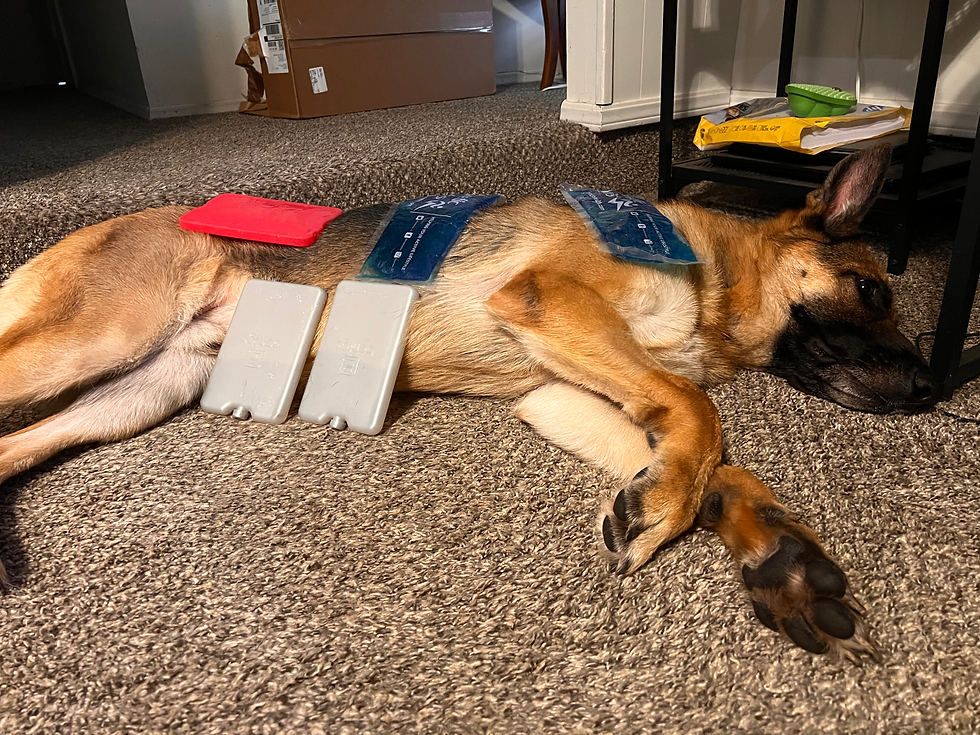
Apply cool (not ice-cold) water to your dog's paw pads and abdomen. Avoid using ice, as it can cause shock.
If safe, give them a lukewarm shower, keeping their head above water.
Use a fan to provide cool air circulation if possible.
These steps can help lower your dog’s temperature while you rush to the clinic.
Treatment and Aftercare
Treating heat stroke often involves more than simply cooling your dog down. A comprehensive treatment approach may include:
Plasma Transfusions: For dogs experiencing intravascular hemorrhage or DIC
Oxygen Therapy: To support breathing if there are respiratory issues.
Intravenous Fluids: To rehydrate and restore electrolytes.
Veterinary teams will closely monitor for complications such as seizures, respiratory distress, and conditions like disseminated intravascular coagulation (DIC), which can lead to severe bleeding. Most pets require multiple days in intensive care receiving treatment as new signs arise.
Following emergency care, expect to schedule follow-up visits to ensure a smooth recovery. Your veterinarian will provide specific advice on caring for your dog during this time.
Prevention is Key
Taking proactive measures is the best way to safeguard your pet against heat stroke. Here are vital tips to protect your dog during hot weather:
Limit Outdoor Activities: Restrict walks and playtime during the hottest hours. Aim for early mornings or late evenings.
Access to Water and Shade: Always make sure your dog has fresh water and shaded areas while outside. During peak heat, consider keeping your dog indoors.
Stay Indoors: On extremely hot days, keeping your dog in a well-ventilated area with air conditioning can drastically lower the risk of heat stress.
Know Your Breed: Keep a close eye on brachycephalic breeds and dogs with health issues as they can be more susceptible to heat stress.
Never Leave in Cars: Leaving your dog in a parked car—regardless of how short your errand is—can be deadly.
Be Alert for Warning Signs: Familiarize yourself with heat stress symptoms and stay vigilant for any signs your pet is uncomfortable.

Keeping Your Pet Safe This Summer
As summer temperatures climb, understanding the risks of heat stroke and heat stress is vital for every dog owner. Being informed and vigilant can help protect your furry friend during the hot months. By recognizing symptoms, knowing how to react, and implementing preventative measures, you can ensure that your dog enjoys the summer safely. Your attentive care can make a significant difference in maintaining their health and happiness. Stay cool and keep your pets comfortable!
-Angela, RVT


I am look for a lab or lab mix puppy